Emergency Fund 2026: FDIC Guidelines & Optimal Allocation
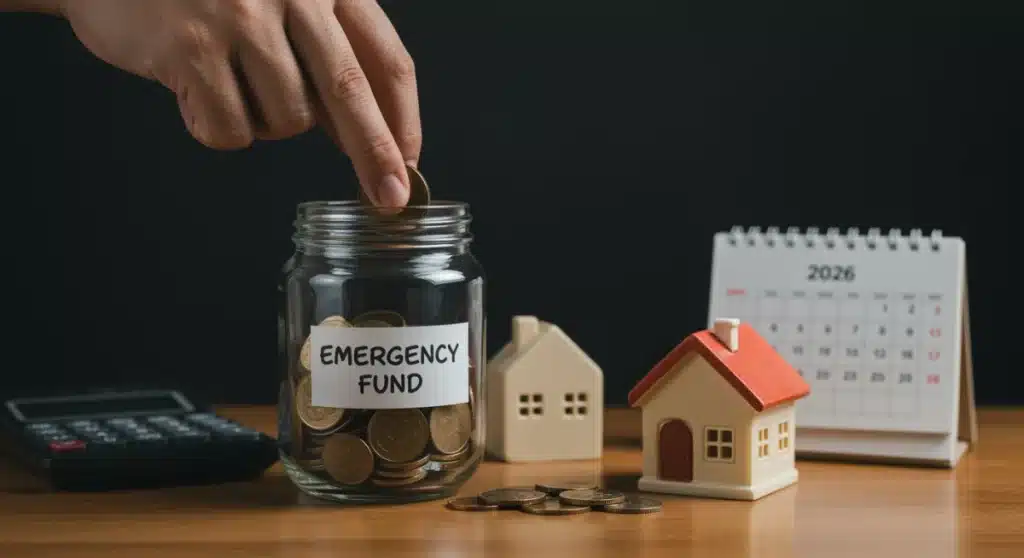
Building a resilient financial future in 2026 requires understanding updated FDIC guidelines and strategically allocating funds to cover at least six months of living expenses, ensuring robust financial security.
Maximizing Your Emergency Fund: Updated FDIC Guidelines and Optimal Allocation for 6 Months of Living Expenses in 2026
In an ever-evolving financial landscape, securing your financial future is paramount. Understanding how to build and maintain a robust emergency fund 2026 is not just a recommendation; it’s a critical component of personal financial resilience. This guide will delve into the updated FDIC guidelines and offer optimal strategies for allocating your funds to cover at least six months of living expenses.
Understanding the Core Purpose of an Emergency Fund
An emergency fund serves as your financial safety net, a critical buffer against unforeseen life events that can otherwise derail your financial stability. These events can range from job loss or unexpected medical bills to major home or car repairs. Without a dedicated fund, such incidents often lead to accumulating high-interest debt, further exacerbating an already stressful situation.
The primary goal of an emergency fund is to provide peace of mind and financial flexibility during challenging times. It allows you to navigate crises without resorting to credit cards or loans, preserving your long-term financial health. Think of it as an insurance policy for your financial well-being, protecting your assets and your ability to meet essential needs.
Why Six Months of Expenses?
Financial experts widely recommend having at least three to six months’ worth of living expenses saved in an emergency fund. For many, especially those with variable income, dependents, or in volatile job markets, six months is often considered the optimal target. This extended buffer provides ample time to recover from job loss, manage prolonged illness, or address significant unexpected costs without undue pressure.
- Job Security: Provides a cushion during unemployment, allowing for a thorough job search without immediate financial distress.
- Health Crises: Covers medical deductibles, co-pays, and income loss during recovery from illness or injury.
- Major Repairs: Funds unexpected home system failures, car breakdowns, or other critical asset repairs.
- Market Volatility: Offers stability during economic downturns, preventing forced liquidation of investments at unfavorable times.
Ultimately, the size of your emergency fund should reflect your personal circumstances, risk tolerance, and job stability. Aiming for six months provides a strong foundation for navigating most financial storms.
Navigating Updated FDIC Guidelines in 2026
The Federal Deposit Insurance Corporation (FDIC) plays a crucial role in safeguarding your deposits in banks and savings associations. Understanding their guidelines, especially with potential updates in 2026, is essential for maximizing the security of your emergency fund. The FDIC provides deposit insurance coverage, typically up to $250,000 per depositor, per insured bank, for each account ownership category.
While the core insurance limits have been stable, it’s vital to stay informed about any potential legislative or regulatory changes that might affect these limits or the types of accounts covered. In 2026, it’s prudent to confirm the latest information directly from the FDIC website or your financial institution.
Maximizing FDIC Coverage for Your Emergency Savings
For individuals with substantial emergency funds, particularly those exceeding the $250,000 limit, strategic planning is key to ensuring full FDIC protection. This often involves spreading funds across multiple insured institutions or utilizing different account ownership categories within the same bank.
- Diversify Across Banks: If your emergency fund approaches or exceeds $250,000, consider opening accounts at different FDIC-insured banks. Each bank offers separate coverage up to the limit.
- Utilize Ownership Categories: The FDIC insures different ownership categories separately. For example, individual accounts, joint accounts, and certain retirement accounts each receive separate coverage. A couple could have $250,000 in individual accounts each, plus $500,000 in a joint account, all fully insured at one bank.
- Trust Accounts: Funds held in revocable or irrevocable trust accounts can also qualify for additional coverage, depending on the number of beneficiaries and how the trust is structured.
- Stay Informed: Regularly check the FDIC’s website for the most current information regarding deposit insurance rules and any potential changes for 2026.
By carefully structuring your emergency fund holdings, you can ensure that your hard-earned savings are fully protected against bank failure, providing an extra layer of security for your financial safety net.
Optimal Allocation Strategies for Your Emergency Fund
Once you’ve determined the size of your emergency fund, the next crucial step is deciding where to keep it. The ideal location balances accessibility, safety, and a modest return, without exposing your funds to market volatility. Your emergency fund should never be invested in stocks or other high-risk assets, as its primary purpose is immediate availability and capital preservation.
For emergency fund 2026 allocation, consider a tiered approach or a single, highly liquid account. The goal is to keep these funds separate from your everyday spending and long-term investments.
Best Account Types for Emergency Savings
Several account types are well-suited for an emergency fund, each with its own advantages:
- High-Yield Savings Accounts (HYSAs): These are often the best choice. HYSAs offer higher interest rates than traditional savings accounts, helping your money grow modestly while remaining highly liquid. They are FDIC-insured, providing excellent security.
- Money Market Accounts (MMAs): Similar to HYSAs, MMAs offer competitive interest rates and check-writing privileges, blending savings and checking account features. They are also FDIC-insured.
- Short-Term Certificates of Deposit (CDs): For a portion of a very large emergency fund, a laddered CD strategy can offer slightly higher returns. However, the funds are less liquid than HYSAs, incurring penalties for early withdrawal. This option is generally only recommended for funds exceeding immediate needs.
- Treasury Bills (T-Bills): Government-backed and highly liquid, T-Bills are an extremely safe option, though their yields might be lower than HYSAs. They are exempt from state and local taxes, which can be an advantage.
When choosing, prioritize accounts that are easily accessible, have no or low fees, and are FDIC-insured. The slight difference in interest rates should not outweigh the need for liquidity and security.
Calculating Your 6 Months of Living Expenses
Accurately determining your monthly living expenses is the cornerstone of building an effective emergency fund. This isn’t just about big bills; it requires a detailed understanding of every dollar you spend. Many people underestimate their true expenses, leading to an inadequately funded safety net.
Start by tracking your spending diligently for at least a few months. Categorize your expenses into essential and non-essential. The emergency fund should primarily cover your essential expenses, but a buffer for some non-essentials can offer greater comfort during a crisis.
Essential vs. Non-Essential Expenses
To calculate your target for an emergency fund 2026, divide your spending into two main categories:
- Essential Expenses: These are the non-negotiable costs required for survival and basic living. They include housing (rent/mortgage), utilities (electricity, water, gas, internet), food, transportation (car payments, gas, public transit), health insurance, and minimum debt payments.
- Non-Essential Expenses: These are discretionary costs that can be cut during a financial emergency. Examples include dining out, entertainment, subscriptions, vacations, and non-essential shopping.
Once you have a clear picture of your essential monthly expenses, multiply that figure by six to arrive at your emergency fund goal. For instance, if your essential monthly expenses total $3,000, your target fund would be $18,000. It’s wise to periodically review and adjust this calculation, as your living expenses and lifestyle may change over time.
Strategies for Building Your Emergency Fund Quickly
Building a substantial emergency fund can seem daunting, but with a strategic approach, it’s an achievable goal. The key is consistent effort and making conscious choices to prioritize saving. Remember, every dollar saved brings you closer to financial security.
Start small if you need to, but start. The momentum you gain from seeing your fund grow will motivate you to continue. This fund is an investment in your peace of mind.
Accelerating Your Savings
Here are several effective strategies to help you build your emergency fund 2026 faster:
- Automate Your Savings: Set up automatic transfers from your checking account to your emergency fund account immediately after each paycheck. Treat this transfer as a non-negotiable bill.
- Cut Discretionary Spending: Temporarily reduce or eliminate non-essential expenses like dining out, entertainment, and unnecessary purchases. Every dollar saved from these areas can be redirected to your fund.
- Increase Your Income: Consider taking on a side hustle, selling unused items, or negotiating a raise. Any extra income should be directly funneled into your emergency fund.
- Windfalls and Bonuses: Direct any unexpected money, such as tax refunds, work bonuses, or gifts, straight into your emergency savings. Avoid the temptation to spend it.
- Budgeting and Tracking: Implement a strict budget to identify areas where you can save more. Regularly review your spending to ensure you’re on track.
Consistency is more important than the amount you save each time. Even small, regular contributions will accumulate significantly over time, especially when combined with high-yield accounts.
Maintaining and Replenishing Your Emergency Fund
Building an emergency fund is a significant achievement, but maintaining it is an ongoing responsibility. Life happens, and sometimes you’ll need to tap into your savings. The crucial step after using your fund is to replenish it as quickly as possible. This ensures that your financial safety net remains robust for future unexpected events.
Regularly reviewing your financial situation and making adjustments to your savings plan is part of responsible money management. Your emergency fund isn’t a static goal; it’s a dynamic part of your overall financial strategy.
Best Practices for Fund Maintenance
To keep your emergency fund 2026 in top shape, consider these practices:
- Regular Reviews: Annually or whenever your financial situation changes significantly (e.g., salary increase, new dependents, new debt), revisit your emergency fund goal. Has your monthly essential spending increased? Adjust your target accordingly.
- Immediate Replenishment: If you use a portion of your emergency fund, make it your top financial priority to replenish it. Treat it with the same urgency as paying off high-interest debt. Redirect any extra income or temporarily cut back on discretionary spending until the fund is whole again.
- Keep it Separate: Maintain your emergency fund in a dedicated account, separate from your checking and other savings accounts. This prevents accidental spending and keeps the purpose of the fund clear.
- Avoid Over-Funding: While a robust fund is good, excessively large emergency funds might mean you’re missing out on higher returns from long-term investments. Once you hit your target, consider directing additional savings towards retirement or other investment goals.
- Stay Informed: Keep an eye on economic forecasts and personal circumstances. A looming recession or a change in job stability might warrant a larger emergency cushion.
By actively managing and replenishing your emergency fund, you are continuously reinforcing your financial security and preparedness for whatever challenges may arise.
The Psychological Benefits of a Strong Emergency Fund
Beyond the tangible financial benefits, having a well-funded emergency reserve brings significant psychological advantages. Financial stress is a leading cause of anxiety for many Americans. A robust emergency fund acts as a powerful antidote to this stress, offering a profound sense of security and control over one’s financial destiny.
Knowing that you are prepared for life’s unexpected twists and turns can dramatically improve your overall quality of life. It frees up mental energy that might otherwise be consumed by worry, allowing you to focus on other aspects of your life, such as career growth, relationships, and personal well-being.
Peace of Mind and Financial Freedom
A strong emergency fund 2026 empowers you in several ways:
- Reduced Stress: The knowledge that you have a financial safety net significantly reduces anxiety about financial downturns or unexpected expenses.
- Better Decision-Making: Without the pressure of immediate financial need, you can make more rational and less reactive decisions during a crisis. For example, you can take your time to find the right job instead of accepting the first offer out of desperation.
- Increased Confidence: Financial preparedness boosts self-confidence and a sense of mastery over your personal finances.
- Flexibility and Opportunity: An emergency fund can provide the flexibility to pursue new opportunities, such as starting a business or taking a career sabbatical, knowing you have a financial cushion.
- Improved Health: Reduced financial stress has been linked to better physical and mental health outcomes.
Ultimately, an emergency fund is not just about money; it’s about investing in your peace of mind and creating a foundation for a more resilient and fulfilling life. It shifts your financial paradigm from reactive to proactive, providing a sense of calm amidst life’s storms.
| Key Aspect | Brief Description |
|---|---|
| FDIC Guidelines | Ensures deposits up to $250,000 per depositor, per bank, per ownership category. Essential for fund security. |
| 6 Months Expenses | Recommended target for robust financial safety against job loss, medical emergencies, or unforeseen costs. |
| Optimal Allocation | Best kept in high-yield savings or money market accounts for liquidity, safety, and modest growth. |
| Building & Maintenance | Automate savings, cut expenses, and prioritize replenishment after use to ensure continuous financial resilience. |
Frequently Asked Questions About Emergency Funds
Financial experts generally recommend saving at least three to six months’ worth of essential living expenses. For greater security, especially in uncertain economic times or if you have dependents, aiming for six months is often the optimal target for your emergency fund 2026.
The FDIC insures deposits up to $250,000 per depositor, per insured bank, for each ownership category. This protection safeguards your savings in case of a bank failure, ensuring your emergency fund remains secure and accessible, provided it’s within these limits.
Optimal allocation involves keeping your emergency fund in a highly liquid and secure account. High-yield savings accounts (HYSAs) or money market accounts (MMAs) are typically best, offering modest interest rates while ensuring immediate access without market risk.
It is generally not recommended to invest your emergency fund in volatile assets like stocks. The primary purpose of this fund is safety and immediate accessibility, not growth. Market fluctuations could jeopardize your ability to access the full amount when an emergency strikes.
If you need to use your emergency fund, do so without guilt, as that’s its purpose. However, make replenishing it your top financial priority afterward. Treat it like a critical bill, automating transfers and cutting discretionary spending until the fund is fully restored.
Conclusion
Building and maintaining a robust emergency fund 2026 is more than just a financial task; it’s a cornerstone of financial well-being and peace of mind. By diligently calculating your essential living expenses, understanding and leveraging updated FDIC guidelines for maximum protection, and strategically allocating your funds to liquid, secure accounts, you create an invaluable safety net. This proactive approach not only safeguards you against unforeseen circumstances but also empowers you to make confident financial decisions, ensuring a more stable and resilient future.