Drug Price Changes 2026: Lower Out-of-Pocket Costs
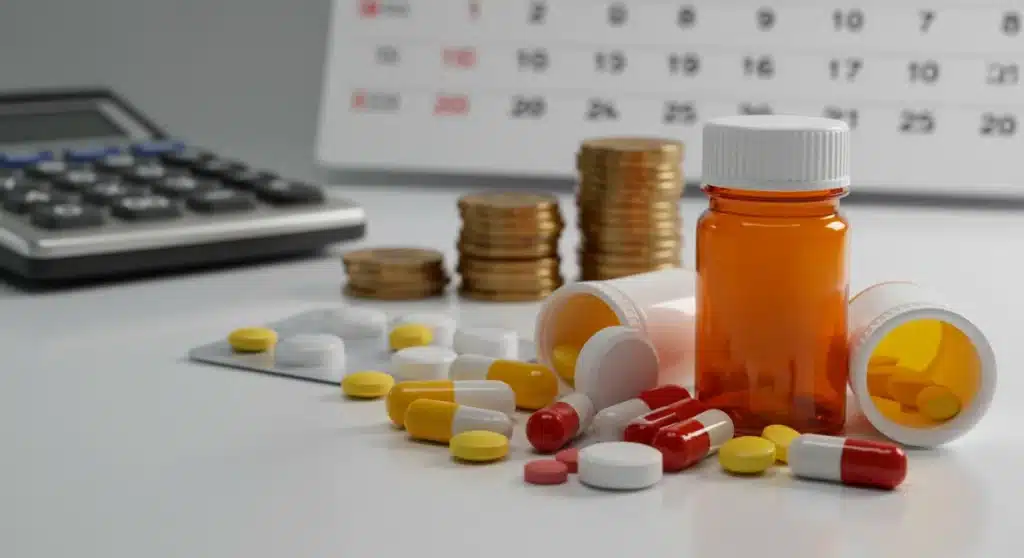
Navigating the impending 2026 prescription drug price changes requires informed strategies to proactively reduce your out-of-pocket expenses by 10-20%, ensuring better financial control over your healthcare.
As we approach 2026, many Americans are rightfully concerned about the evolving landscape of prescription drug pricing. The prospect of significant changes can feel daunting, but understanding the underlying factors and implementing proactive strategies can empower you to effectively manage your healthcare budget. This comprehensive guide will delve into prescription drug costs 2026, offering actionable insights to help you reduce your out-of-pocket expenses by a substantial 10-20%.
The Shifting Landscape of Drug Pricing in 2026
The year 2026 is poised to bring notable shifts in how prescription drugs are priced and how those costs are passed on to consumers. These changes are largely influenced by ongoing legislative efforts, pharmaceutical industry dynamics, and evolving insurance models. Staying informed about these foundational shifts is the first step toward mitigating their financial impact.
Several key pieces of legislation and market trends are converging to reshape drug pricing. Understanding these forces can help you anticipate potential impacts on your personal finances and plan accordingly. The goal is to move from reactive to proactive, ensuring you’re not caught off guard by unexpected increases.
Key Legislative Impacts on Drug Prices
The Inflation Reduction Act (IRA) of 2022, for instance, marks a pivotal moment for drug pricing in the United States. While some provisions have already taken effect, 2026 will see the implementation of further significant changes, particularly concerning Medicare drug price negotiation. This means that for certain high-cost drugs, Medicare will have the power to negotiate lower prices, which could eventually trickle down to other insurance plans.
- Medicare drug price negotiation: Direct impact on selected high-cost medications.
- Inflation rebates: Penalties for drug companies raising prices faster than inflation.
- Caps on out-of-pocket costs: A $2,000 annual cap for Medicare Part D beneficiaries, starting in 2025, which will provide substantial relief.
Market Dynamics and Pharmaceutical Trends
Beyond legislation, the pharmaceutical market itself is constantly evolving. The introduction of new generic drugs, the expiration of patents for popular brand-name medications, and advancements in biosimilars all play a role in the overall cost structure. Biosimilars, in particular, are expected to increase competition and drive down prices for complex biologic drugs, offering new avenues for savings.
The conclusion of this section emphasizes that while external factors drive many price changes, being aware of them empowers individuals to explore available cost-saving mechanisms. The interplay of legislation and market forces creates a dynamic environment that requires continuous attention for optimal financial planning.
Decoding Your Prescription Drug Coverage and Benefits
A fundamental strategy for managing prescription drug costs in 2026 involves a thorough understanding of your existing insurance coverage. Many individuals overlook the specifics of their pharmacy benefits, leading to missed opportunities for savings. Taking the time to decode your plan’s intricacies can uncover significant financial advantages.
Your insurance plan’s formulary, deductible, copayments, and coinsurance all play a critical role in determining your out-of-pocket expenses. These elements are not static; they can change annually, making it essential to review your benefits package regularly, especially during open enrollment periods.
Understanding Your Formulary
The formulary is a list of prescription drugs covered by your insurance plan. It’s often tiered, with different copayment levels for generic, preferred brand-name, and non-preferred brand-name drugs. Familiarizing yourself with your plan’s formulary can guide your discussions with your doctor about prescribing cost-effective alternatives.
- Tiered drug lists: Identify which tier your medications fall into.
- Preferred vs. non-preferred drugs: Understand the cost differences.
- Formulary changes: Be aware that approved drugs can change annually.
Deductibles, Copayments, and Coinsurance
These are the core components of your out-of-pocket costs. A deductible is the amount you must pay for healthcare services before your insurance begins to pay. Copayments are fixed amounts you pay for a covered service, while coinsurance is a percentage of the cost you pay after your deductible is met. High deductibles often mean lower monthly premiums but higher initial out-of-pocket costs.
Additionally, pay attention to any maximum out-of-pocket limits defined by your plan. Once you reach this limit, your insurance typically covers 100% of your covered medical expenses for the remainder of the plan year. Understanding these limits is crucial for budgeting and preventing unexpected financial burdens.
In essence, becoming an expert on your own coverage empowers you to make informed decisions. Don’t hesitate to contact your insurance provider directly if you have questions about your benefits or how specific medications are covered. This proactive approach is key to optimizing your drug spending.
Strategic Approaches to Lowering Out-of-Pocket Expenses
Beyond understanding your insurance, there are several actionable strategies you can employ to actively reduce your prescription drug costs in 2026. These approaches range from simple requests to your doctor to leveraging various discount programs and exploring alternative pharmacies.
The goal is to be an informed consumer, always seeking the most cost-effective yet medically appropriate options. A combination of these strategies can lead to substantial savings, helping you reach that 10-20% reduction target.
Discussing Generics and Biosimilars with Your Doctor
Generic drugs are chemically identical to their brand-name counterparts and are often significantly cheaper. Biosimilars offer similar benefits for biologic drugs. Always ask your doctor if a generic or biosimilar option is available and appropriate for your condition. Many doctors are open to prescribing these alternatives when medically sound.
- Generic alternatives: Always inquire about availability.
- Biosimilar options: Explore these for complex biologic medications.
- Therapeutic alternatives: Discuss if a different, cheaper drug in the same class could work.
Utilizing Prescription Discount Programs and Coupons
Numerous programs and coupons can help reduce drug costs, even if you have insurance. GoodRx, SingleCare, and manufacturer coupons are just a few examples. These discounts can sometimes offer better prices than your insurance copay, especially for certain brand-name drugs not heavily covered by your plan.
It’s always wise to compare prices across different pharmacies and check for available discounts before filling a prescription. Many pharmacy chains also have their own discount programs or loyalty rewards that can offer additional savings on medications.By actively engaging with your healthcare provider and exploring all available discount avenues, you can significantly reduce the financial burden of prescriptions. This proactive engagement is a cornerstone of effective personal finance management in healthcare.
Leveraging Mail-Order and 90-Day Supplies for Savings
For individuals on maintenance medications, utilizing mail-order pharmacies and requesting 90-day supplies can be a highly effective strategy for reducing overall costs. These methods often come with inherent discounts and convenience that traditional monthly refills might not offer.
Many insurance plans actively encourage the use of mail-order pharmacies due to their cost-effectiveness. This strategy aligns with the broader goal of optimizing healthcare spending without compromising on treatment efficacy.
Mail-Order Pharmacy Benefits
Mail-order pharmacies typically offer lower prices for many medications, especially for chronic conditions. They can also save you time and trips to the pharmacy. Most major insurance providers have preferred mail-order services, and some even require their use for certain long-term prescriptions.
- Reduced costs: Often lower prices than retail pharmacies.
- Convenience: Medications delivered directly to your home.
- Larger supplies: Easier access to 90-day or longer prescriptions.
The Advantage of 90-Day Prescriptions
Obtaining a 90-day supply of your medication instead of a 30-day supply can often result in significant savings. Many insurance plans offer a reduced copay for a 90-day fill, effectively giving you one month free or at a substantially lower cost. This also reduces the frequency of refills, saving time and effort.
Before opting for a 90-day supply, ensure that your medication regimen is stable and that you don’t anticipate any changes. Discuss this option with your doctor to confirm it’s appropriate for your health needs. This approach not only saves money but also ensures a consistent supply of necessary medications.
Embracing mail-order services and larger prescription quantities provides a dual benefit: financial savings and enhanced convenience. These are practical steps that can be implemented with minimal effort to achieve notable reductions in your annual drug expenditures.
Exploring Patient Assistance Programs and Financial Aid
For individuals facing significant financial hardship or those with very high-cost medications, patient assistance programs (PAPs) and other financial aid resources can be a lifeline. These programs, often sponsored by pharmaceutical manufacturers or non-profit organizations, can help cover the cost of expensive drugs.
Navigating these programs can seem complex, but the potential savings are substantial, making the effort well worth it. Many resources are available to guide you through the application process and determine your eligibility.
Manufacturer Patient Assistance Programs
Most pharmaceutical companies that produce high-cost brand-name drugs offer PAPs. These programs typically provide free or heavily discounted medications to eligible patients who meet specific income and insurance criteria. Eligibility requirements vary, so it’s essential to research each program individually.
- Income-based eligibility: Often tied to federal poverty levels.
- Insurance coverage: Some programs assist uninsured or underinsured patients.
- Application process: Requires documentation and doctor’s involvement.
Non-Profit Organizations and Foundations
Beyond pharmaceutical manufacturers, numerous non-profit organizations and disease-specific foundations offer financial assistance for medication costs. These groups often focus on particular conditions, such as cancer, diabetes, or autoimmune diseases, providing grants or direct aid to patients.
Organizations like the Patient Access Network (PAN) Foundation, Good Days, and the HealthWell Foundation are examples of non-profits that help patients afford their medications. They can provide support for copayments, deductibles, and other out-of-pocket expenses, significantly easing the financial burden.
It is crucial to remember that help is available if you proactively seek it. Don’t let the cost of medication prevent you from accessing necessary treatment. Exploring patient assistance programs can provide vital support, ensuring you can afford your prescribed drugs.
Proactive Planning and Advocacy for Future Savings
Effective management of prescription drug costs in 2026 and beyond requires a proactive mindset and a willingness to advocate for your own healthcare needs. This includes continuous monitoring of your expenses, staying informed about policy changes, and actively communicating with your healthcare team.
Thinking ahead and engaging proactively can make a significant difference in your long-term financial health, especially concerning medical expenses. Don’t wait for costs to escalate before seeking solutions.
Regular Review of Your Medication Regimen
Periodically review all your medications with your doctor or pharmacist. Ensure that every drug you are taking is still necessary and the dosage is optimal. Sometimes, a medication might be discontinued or a less expensive alternative might become available. This regular review can prevent unnecessary expenses.
- Medication reconciliation: Confirm all current prescriptions are essential.
- Dosage optimization: Ensure you’re on the most effective and cost-efficient dose.
- Polypharmacy awareness: Avoid taking too many medications unnecessarily.
Staying Informed About Policy Changes
Healthcare policy is dynamic. Keep an eye on news related to drug pricing, Medicare changes, and insurance regulations. Organizations like the Kaiser Family Foundation and AARP often provide accessible summaries of complex policy developments that could impact your out-of-pocket costs.
Being an informed advocate also means understanding your rights as a patient and knowing when to appeal insurance denials or seek second opinions. Your ability to navigate the system effectively can directly translate into financial savings.
By adopting a proactive stance and becoming an active participant in your healthcare decisions, you position yourself to better manage prescription drug costs. This ongoing engagement is perhaps the most powerful tool in your arsenal for future savings.
| Key Strategy | Brief Description |
|---|---|
| Understand Coverage | Review your insurance formulary, deductibles, and copays annually. |
| Ask About Generics | Discuss generic or biosimilar alternatives with your doctor. |
| Use Discount Programs | Utilize GoodRx, manufacturer coupons, and pharmacy loyalty programs. |
| Explore Assistance | Investigate patient assistance programs for high-cost medications. |
Frequently Asked Questions About 2026 Drug Costs
The IRA will primarily affect Medicare beneficiaries through drug price negotiation for certain high-cost drugs and inflation rebates. This could lead to lower prices for some medications and an annual out-of-pocket cap of $2,000 for Medicare Part D, starting in 2025.
A formulary is your insurance plan’s list of covered drugs, often tiered by cost. Understanding which tier your medications fall into helps identify cheaper alternatives like generics or preferred brands, directly impacting your out-of-pocket expenses.
Yes, you can. Sometimes, discount cards like GoodRx or SingleCare offer lower prices than your insurance copay, especially for drugs not heavily covered by your plan. Always compare prices before filling your prescription to ensure you get the best deal.
Many insurance plans offer a reduced copay for a 90-day supply compared to three 30-day fills, essentially giving you a discount. This also reduces trips to the pharmacy and ensures a continuous supply of your maintenance medications.
Patient assistance programs (PAPs) are offered by pharmaceutical manufacturers or non-profits to help eligible patients afford high-cost medications. They typically provide free or discounted drugs based on income and insurance status. Check eligibility criteria for specific programs.
Conclusion
The landscape of prescription drug costs is continually evolving, with 2026 bringing its own set of challenges and opportunities. By actively engaging with your insurance plan, communicating effectively with your healthcare providers, and diligently exploring all available savings avenues—from generics and discount programs to mail-order options and patient assistance—you can significantly reduce your out-of-pocket expenses. Taking these proactive steps will not only help you save 10-20% on your medication costs but also empower you to maintain better control over your personal finances and overall health.